


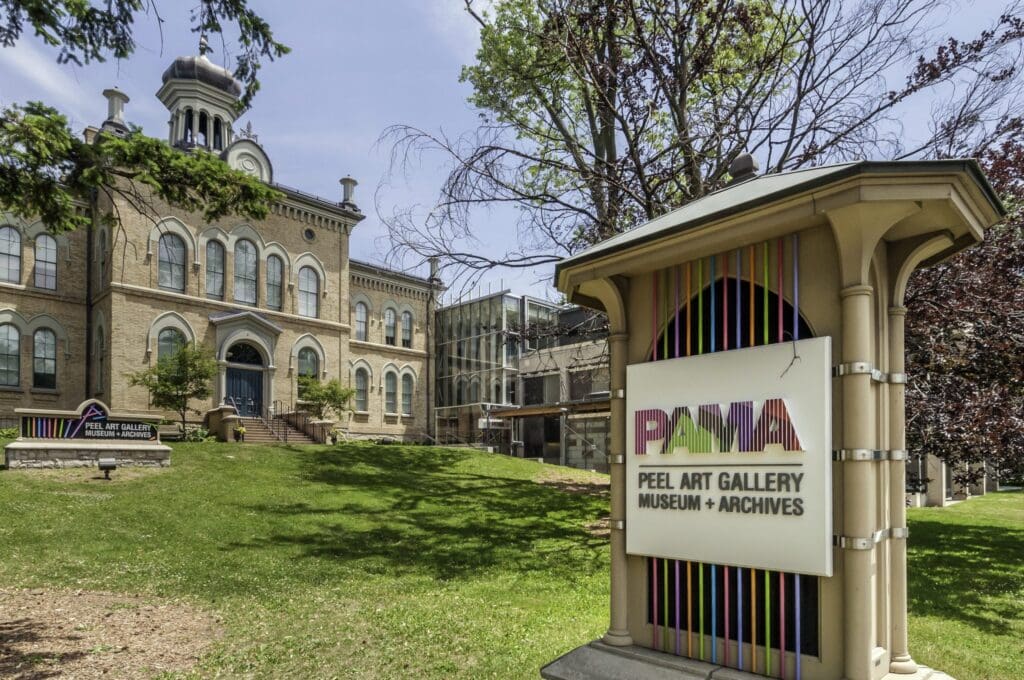
Peel Regional Council yesterday approved the transition of Peel Art Gallery, Museum and Archives’ (PAMA) ownership and operations to the City of Brampton, effective January 1, 2028. Archival services will continue to be delivered at the site through an agreement with the Region of Peel.
“This transition provides the City a real opportunity to better align programming, partnerships and investments with the needs of our residents and growing creative sector. With direct oversight of PAMA, we can better connect it with Brampton’s network of cultural spaces like Alderlea, the Rose Theatre and Bovaird House, while delivering stronger community impact and value for taxpayers.”
– Rowena Santos, Regional Councillor, Wards 1 and 5; Chair, Community Services
Through this transition, the City will assume full ownership of the region’s most significant cultural assets and include them as a key component of creative sector growth and tourism development, marking an exciting investment that will deliver long-term cultural and community benefits for residents, businesses, artists and arts and culture organizations.
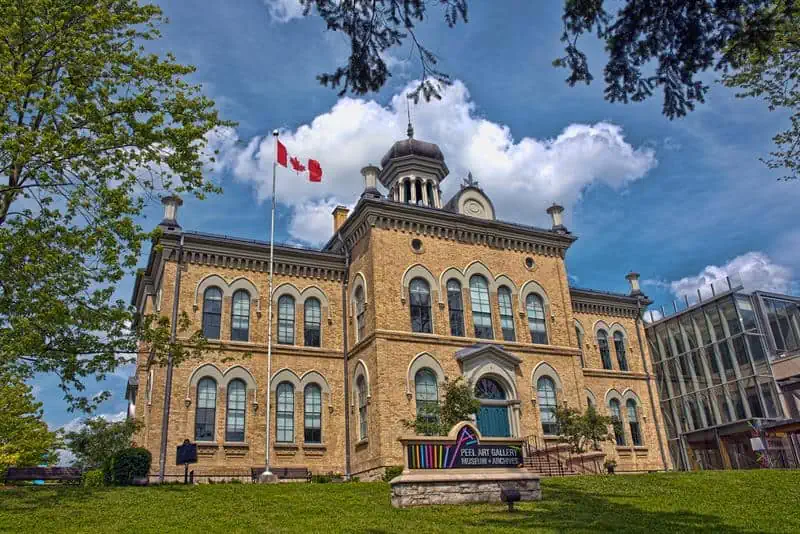
Located in the heart of Downtown Brampton, the 60,879 sq ft complex, including the Historic Peel County Courthouse, Gaol, Land Registry Building and former Hydro Headquarters are key heritage buildings in the Region of Peel and a major landmark in the city. The museum holds 14,000 recorded artifacts, in addition to 29,000 archaeological objects, and the Art Gallery holds 6,200 pieces. Together, the site and its assets are valued at more than $60 million, as outlined in the Region of Peel’s September 2025 report here.
As one of Canada’s largest cities, Brampton remains one of the only major municipalities without its own art gallery and museum. The transition of PAMA allows the City to leverage an established facility rather than developing a new network of cultural infrastructure, which would require significant new capital investments. Avoiding new capital costs allows Brampton to redirect these resources toward programming reflective of Brampton’s people, places and stories, community access and partnerships, maximizing value for local taxpayers.
Downtown Revitalization and Hazel McCallion Light Rapid Transit
With a revitalized and more vibrant downtown, significantly improved transit connectivity to a much larger catchment area and an anticipated transit stop near the museum, PAMA will be able to capitalize on a larger pool of prospective visitors to downtown Brampton, while being served by what will likely become one of Peel region’s most efficient and effective transit lines.
The committed tunnelled LRT will provide faster and more reliable transit service along the Hurontario corridor, resulting in more efficient and significantly improved connectivity within the region. The completed line will also act as a catalyst to create a more vibrant, sustainable corridor and downtown.
PAMA’s ownership and operations transition aligns with the revitalization efforts already underway in downtown Brampton, including major city-building projects like Riverwalk, revitalized streetscapes, enhanced public squares, the future tunnelled LRT and new developments like the Centre for Innovation and the Heritage Theatre Block.
Building on this work, an enhanced and localized governance model, funding and vision of PAMA will help:
- Attract creative industries and talent
- Build civic pride and community connection
- Strengthen localized placemaking
- Drive local traffic and support local businesses
- Create educational opportunities for residents of all ages
Next Steps
A PAMA Transition Board including representatives from the City of Brampton, City of Mississauga, Town of Caledon and the Region of Peel, will guide the transition over the next two years.
As part of this work, the City of Brampton will review current operations, and develop an updated operating model and budget prior to assuming ownership of PAMA’s museum and art gallery.
Details on how the community can provide their feedback throughout this process will be shared as the transition work begins.
PAMA remains open to the public throughout the transition period. For more information on exhibitions, programs, and membership, visit pama.peelregion.ca