Regional Councillor Brampton Wards 1 & 5

Impacts of Cancelled Speed Enforcement Cameras for our Community

Over the last few years, many of you have shared concerns about speeding, dangerous driving, and the daily risks your children face walking to and from school. Automated Speed Enforcement (ASE) was one of the most effective tools we had to keep school zones safe. Speeds dropped citywide, compliance improved, and many neighbourhoods finally saw meaningful change.

With the Province’s decision to end municipal ASE programs, all 185 cameras across Brampton were shut down on November 14. This wasn’t a City decision, yet the impacts are very real for our neighbourhoods.

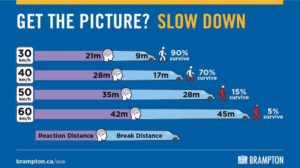
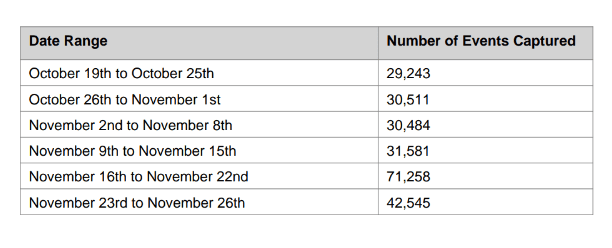
The data represents vehicles travelling over the established speed threshold of 11 km/h above the limit. Demonstrating a significant increase from before to after the ban on November 14.

Here’s what this means for our community.

Most ASE locations no longer have any traffic calming

City staff reviewed all former ASE sites and found that 151 locations now have no safety measures at all. For many of these streets, ASE was the only tool slowing vehicles down. Replacing cameras with physical traffic calming like speed cushions or chicanes is not straightforward. Some roads can handle cushions, some need major reconstruction, and others cannot safely accommodate physical measures at all.

Rebuilding all of these sites will take several years.

The City must install large, highway-style signs in school zones

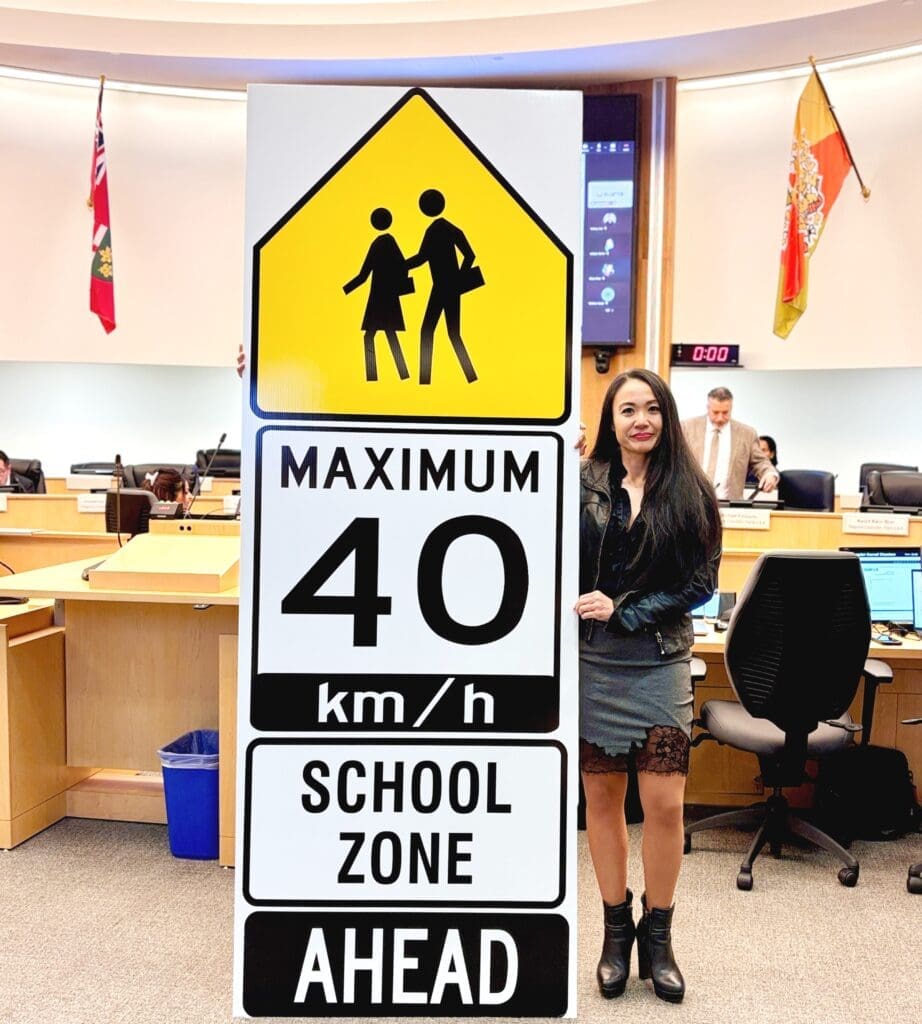
The Province now requires municipalities to install oversized school-zone signs at every former ASE location. While the Province will reimburse installation costs, the City must maintain the signs long-term. Each location needs a careful review to avoid blocking sidewalks, sightlines and other important signage.

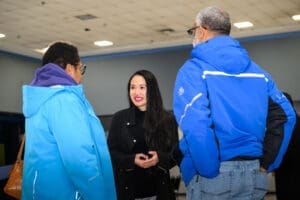
Councillor Santos and Kevin Minaker, Mgr of Traffic Operations standing next to Province's new speed signs.

Traffic calming requests are surging

Even before ASE ended, requests for traffic calming had tripled in five years. With cameras gone, demand is rising again. Staff currently handle 250–270 requests annually, each requiring engineering reviews, site visits, and community input.

To manage this workload and keep neighbourhoods safe, the City is using provincial funding, not property taxes, to hire four temporary Traffic Operations staff until 2028. This support helps ensure we don’t fall behind while we redesign our school zones.

We’re exploring new safety tools

Although speed enforcement is no longer permitted, Brampton is not stepping backward on safety. The existing camera network can still collect valuable speed and traffic data, and staff are exploring:

  • red-light camera enforcement
  • vehicle noise detection
  • ALPR capabilities
  • real-time data sharing with Peel Regional Police

Our goal is to use modern technology to maintain safe and livable streets for residents.

We remain committed to safe neighbourhoods

Your safety and the safety of children walking to school remains a top priority. While the Province’s decision has set us back, we are using every tool available to keep residents protected. This includes redesigned school-zone signage, traffic calming where possible, engineering solutions, education programs, and continued work with Peel Police.

As we move through this transition, I will continue advocating for evidence-based safety tools that work and that keep Brampton families safe.

If you have concerns about speeding in your neighbourhood, or if you’d like traffic calming reviewed on your street, please reach out. Your voice helps guide our priorities and ensures we focus resources where they’re needed most.
Ref: 0